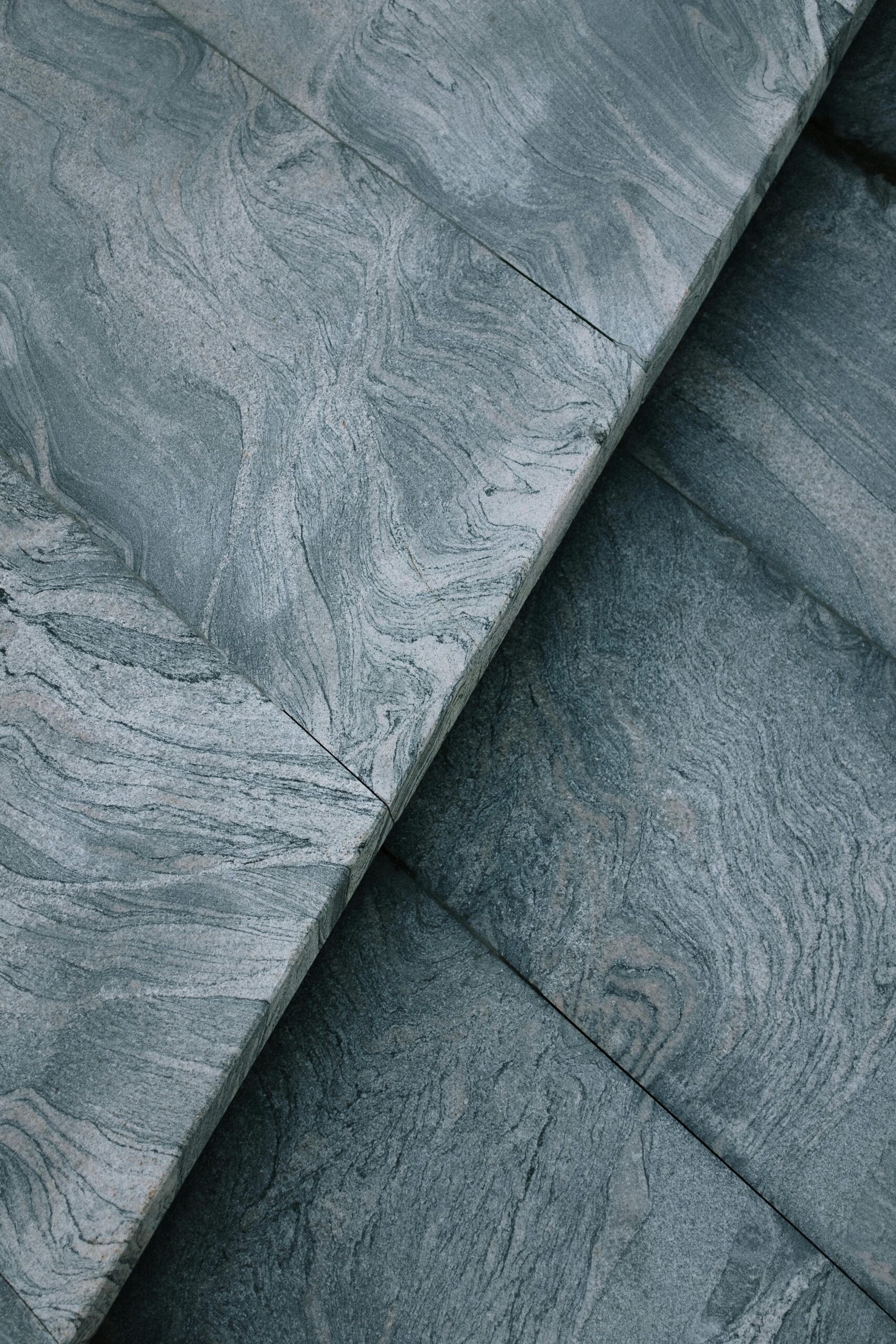
Venetian plaster is a decorative finish with origins that trace back thousands of years. Its earliest use can be found in ancient Rome, where builders discovered that lime mixed with marble dust could create durable, elegant wall surfaces. These finishes were prized for their softness, depth, and ability to reflect light.
The technique was refined during the Renaissance in Venice, where the city’s humid climate and architectural constraints made traditional stone cladding impractical. Craftsmen developed polished lime plasters that mimicked the appearance of marble while remaining breathable and lightweight. Applied in thin layers and compressed by hand, these surfaces became a hallmark of Venetian interiors..
Over time, Venetian plaster evolved but never lost its connection to craftsmanship. Unlike paint or synthetic coatings, it relies on natural materials and manual skill. Each surface is shaped by the hand that applies it, creating subtle variation and movement that cannot be replicated mechanically.


Today, Venetian plaster is used in both traditional and contemporary settings. While techniques have been adapted for modern construction, the core principles remain unchanged: careful preparation, layered application, and an understanding of light, texture, and material.
Its longevity lies in this balance — a finish rooted in history, yet perfectly suited to modern, considered interiors.